How to Prevent Pipe Bursts During Lancaster's Winter Freezes
Lancaster doesn't feel like freeze country in the middle of a 95-degree July. But winter nights here regularly drop below freezing, and a single hard freeze can split a pipe in the attic, the garage or an outside wall. This checklist covers what to do in fall, on freeze nights, and before you travel, so the first sign of winter isn't water coming through the ceiling.
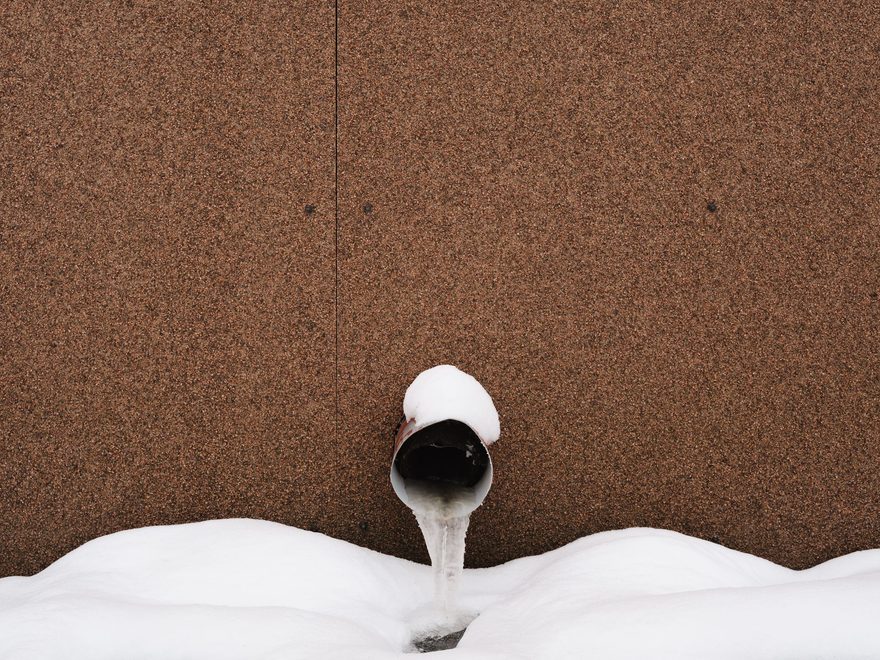
When Lancaster Pipes Are Most at Risk
- The freeze season: frost shows up on somewhere around 50 to 75 days a year in Lancaster, usually from early November into late March.
- The coldest nights: clear, calm nights after a cold front, when the temperature falls fast after sunset.
- Sudden cold snaps: a hard freeze after a run of mild days catches people before they've prepared.
- The most exposed pipes: hose bibs, attic lines, garage lines, pipes in exterior walls, the swamp cooler supply line and yard irrigation backflow devices.
Fall Checklist: Before the First Lancaster Freeze
- Disconnect garden hoses from every outdoor faucet. A hose left on traps water in the faucet.
- Shut off and drain outdoor faucets if they have an indoor shutoff valve.
- Insulate exposed pipes in the attic, garage and crawl spaces with foam pipe sleeves.
- Use heat tape on the most exposed runs, choosing a listed product and following its instructions exactly.
- Seal gaps where pipes pass through exterior walls and garage walls.
- Winterize the swamp cooler: shut off and disconnect the supply line, drain the pan and line, and cover the unit.
- Protect the irrigation backflow device with an insulated cover, or drain it as the manufacturer recommends.
- Find and test your main shutoff valve so you know it turns when you need it.
Freeze-Night Routine for Lancaster Homes
- Open the cabinet doors under kitchen and bathroom sinks on outside walls so warm air reaches the pipes.
- Let faucets on exterior walls drip slightly, with both hot and cold running.
- Keep the garage door closed, especially if water lines or the water heater are out there.
- Hold the thermostat steady overnight instead of turning it way down.
- Check for water flow first thing in the morning. A faucet that won't run means a frozen line.
Leaving Lancaster for the Holidays? Protect Your Pipes
- Keep the heat on, at least around 55 degrees, even while you're gone.
- Shut off the main and open the faucets to drain the lines if you'll be away for a long time.
- Ask someone to check the house during any hard freeze while you're away.
- Add leak sensors or an automatic shutoff valve that alerts your phone.
- Read your policy. Some homeowners policies limit freeze damage in a home left without heat or with the water on.
Extra Freeze Points on Rural Lots and in Quartz Hill
Larger properties have more pipe out in the cold:
- Well pump houses and pressure tanks
- Long water lines from the meter or well to the house
- Lines to barns, guest houses and workshops
- Automatic livestock waterers and hose lines to stalls
Insulate pump equipment, keep a heat source in pump houses where it's safe, and check outbuildings after every hard freeze. See water damage restoration in Quartz Hill.
Signs a Pipe Has Frozen in Your Lancaster Home
- A faucet that runs as a trickle or not at all on a cold morning
- Frost on an exposed pipe
- A bulge or crack in a pipe you can see
- One fixture without water while the rest of the house is fine
If a Pipe Freezes in Lancaster
If a Pipe Bursts in Lancaster
Shut off the main right away, switch off power to wet rooms if you can do it from a dry spot, take photos and call for water removal. The faster the water comes out, the more drywall, flooring and cabinets can be dried in place. See emergency water removal.
Winter Pipe Questions From Lancaster Homeowners
What temperature should I keep my Lancaster home at when I travel in winter?
At least around 55 degrees is a common recommendation. Pipes inside exterior walls and cabinets are colder than the room, so going lower raises the risk.
Do foam pipe sleeves really work?
They help by slowing heat loss, which buys time on a cold night. On very exposed pipes in a cold attic or garage, pair them with heat tape or other protection.
Should I drip both the hot and cold faucets?
Yes, on faucets along exterior walls. Both lines can freeze. On a single-handle faucet, set it to the middle so both sides flow a little.
Can my yard sprinkler backflow preventer freeze?
Yes. It sits above ground full of water, so it's one of the first things to crack. Cover it with an insulated bag or drain it as the manufacturer recommends.
Is PEX less likely to burst than copper?
PEX is more flexible and handles freezing better than copper, but it isn't freeze-proof. Fittings and connections can still crack, so it needs the same protection.
Can heat tape be a fire risk?
It can if it's misused. Use a listed product, follow the instructions exactly, don't overlap it unless the product allows it, and replace any tape that's damaged or old.
Burst Pipe in Lancaster? Call Now
If a frozen pipe has already split, shut off the main and call Lancaster Water Damage Pros at (661) 338-1428, answered 24/7. For more guides, see Lancaster water damage guides.