AC and Swamp Cooler Leak Water Damage in Lancaster, CA
AC and swamp cooler leak cleanup in Lancaster is the water removal and drying needed when a central air conditioner's condensate system or a roof-mounted evaporative cooler sends water into a ceiling, closet or wall. Lancaster Water Damage Pros dries out that damage across Lancaster, Quartz Hill and Antelope Acres, treats it with an antimicrobial and tells you whether the next call is an HVAC technician or a roofer.
At a glance
- Why it's common here: July highs around 96°F keep AC and swamp coolers running for months
- Two different leaks: central AC makes water; a swamp cooler uses it
- Where it shows: brown rings around ceiling vents, wet hallway closets and soaked attic insulation
- Why antimicrobial: pan water grows algae and biofilm
- Who fixes what: HVAC technician or roofer for the unit; the cleanup dries the house
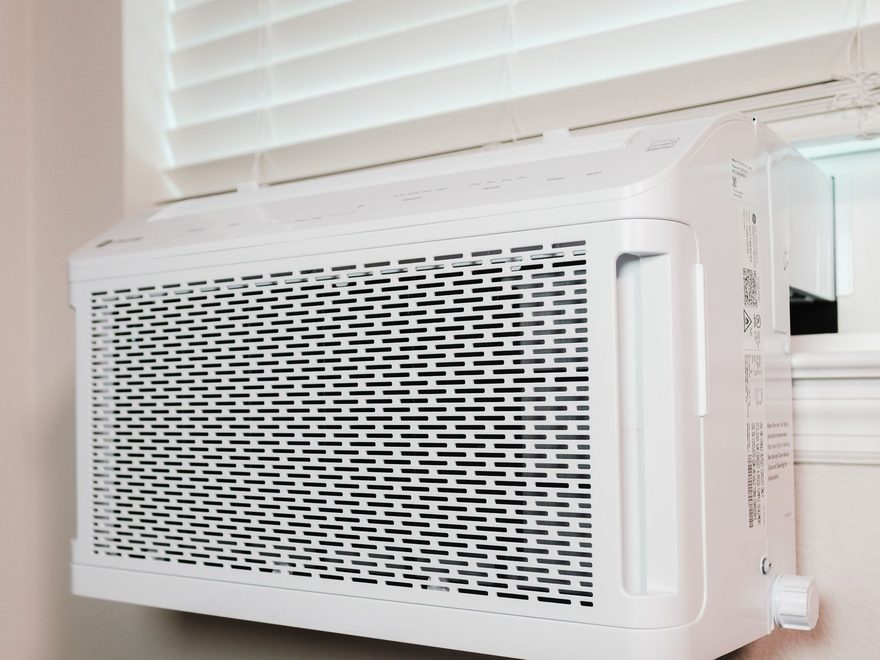
Central AC or Swamp Cooler? Two Different Leaks in Lancaster Homes
- Central air conditioning makes water. As air passes over the cold coil, moisture condenses and drains away through a condensate line. When that line or its pan fails, the water lands in the attic, a closet or the garage.
- A swamp cooler uses water. It pumps water over pads on the roof and blows air through them. When the float, the pan or the supply line fails, water runs across the roof and in through the duct opening.
Central AC Condensate Leaks in Lancaster Homes
Clogged Condensate Line
Algae and debris build up in the drain line until water backs up into the pan and overflows. It's the most common AC leak.
Overflowing or Rusted Drain Pan
The pan under the coil catches condensate. A cracked or rusted pan drips straight into the ceiling or closet below.
Frozen Coil Thawing Out
A dirty filter or low refrigerant can freeze the coil. When the system shuts off, the ice melts faster than the drain can handle it.
Failed Condensate Pump
Air handlers in some closets and garages use a small pump to move water out. When the pump stops, the water stays.
Swamp Cooler Leaks Through Lancaster Roofs
Stuck Float Valve
The float controls how much water fills the pan. When it sticks open, the cooler overflows onto the roof and finds its way under shingles, tiles or flashing.
Rusted or Cracked Pan
Older metal coolers rust through at the bottom, and water drips down the duct into the house.
Split Supply Line
The small line that feeds the cooler cracks with age or freezes and splits in winter, often leaking on the roof for days before anyone notices.
Worn Seal Around the Duct
The curb and flashing where the cooler's duct goes through the roof wear out, so overflow and rain both get into the attic.
Shutting Down and Starting Up a Swamp Cooler in Lancaster
Lancaster sees frost on somewhere around 50 to 75 days a year, starting around early November, so cooler timing matters.
Before the first freezing nights in fall:
- Shut off and disconnect the supply line, and drain the pan and the line
- Cover the cooler and seal the ceiling vent so cold air doesn't pour in
- Check the pan and the roof around the cooler for rust or cracks
Before the first hot days in spring:
- Check the supply line for splits before turning the water back on
- Watch the float as the pan fills, and make sure it shuts off
- Look at the ceiling around the vent after the first few days of running
Where AC and Cooler Water Ends Up in Lancaster Homes
- Ceilings around supply vents, often a brown ring that grows each summer
- Hallway closets with an air handler inside, leaking into carpet and the rooms next door
- Garage walls and ceilings under an air handler or condensate line
- Attic insulation, which soaks up water and holds it against the drywall
- Exterior walls where a condensate line runs down inside the wall
Why AC and Cooler Water Gets Antimicrobial Treatment in Lancaster
Water from a condensate pan or a swamp cooler isn't fresh from the tap. It sits in pans, collects dust and often grows algae and biofilm. Wet areas are cleaned and treated with an antimicrobial before drying, and soaked carpet pad and insulation usually come out. More on water types in the water categories guide.
How AC and Swamp Cooler Leak Cleanup Works in Lancaster
- Shut it down: the AC is turned off at the thermostat, or the cooler's water is shut off.
- Find the edges: a thermal camera and moisture meters show how far water spread in the ceiling and walls.
- Drain and remove: water pooled on the ceiling is drained safely, and wet insulation and sagging drywall come out.
- Treat and dry: affected areas get antimicrobial treatment, then dehumidifiers and air movers. See structural drying in Lancaster.
- Hand-off: you're told whether the next call is an HVAC technician or a roofer.
Preventing AC and Swamp Cooler Leaks in Lancaster
- Change AC filters regularly so the coil doesn't freeze
- Have the condensate line cleared during routine AC service
- Make sure air handlers in closets and attics sit in a drain pan
- Winterize the swamp cooler every fall, and inspect it every spring
- Replace a rusted cooler pan before it fails
- Run the cooler with a window or vent open so moist air can escape
AC and Swamp Cooler Leaks and Your Insurance in Lancaster
Policies often treat sudden water damage differently from leaks caused by wear or lack of upkeep, and a cooler or condensate line that leaked for a whole season may be seen as gradual. Photos of the unit, the leak and the ceiling help. See water damage insurance claim help. This is general information, not insurance advice.
What Affects the Price of AC and Cooler Leak Cleanup in Lancaster?
- How much ceiling drywall and attic insulation got wet
- Whether water reached walls, closets and flooring below
- How long the leak ran, especially over a whole cooling season
- Antimicrobial treatment and any material removal
You'll see a written estimate before anything beyond emergency water removal. See the water damage pricing guide for rough local ranges.
AC and Swamp Cooler Leak Questions From Lancaster Homeowners
Why is water dripping from my ceiling vent when the AC runs?
Usually because the condensate line is clogged or the drain pan above is overflowing. Turn the AC off at the thermostat and have the line cleared before the ceiling around the vent soaks through.
Can a frozen AC coil cause a leak?
Yes. When the system shuts off, the ice on the coil melts all at once and can overwhelm the pan and drain line. A dirty filter is a common cause.
Should I shut off the AC if it's leaking?
Yes. Turn it off at the thermostat to stop making more water. If water is near the air handler's wiring, switch off its breaker too.
How do I clear a clogged AC condensate line?
Many homeowners clear the outside end with a wet/dry vacuum. If water keeps backing up, or the line is hard to reach, have an HVAC technician clean it out.
Should a swamp cooler run with the windows closed?
No. An evaporative cooler pushes moist air in, so it needs an open window or vent to let air out. With everything closed, humidity builds up inside and the cooler stops cooling well.
When should a swamp cooler be shut down for winter in Lancaster?
Before the first freezing nights in fall. Waiting until after a hard freeze risks a split supply line and a leak on the roof.
How can I tell a roof leak from a swamp cooler leak?
Timing is the clue. A stain that grows in dry weather while the cooler is running points to the cooler. A stain that shows up after rain points to the roof or the seal around the cooler's duct.
More Water Damage Help in Lancaster
- Roof leak water damage
- Hidden leak and moisture inspection
- Mold remediation
- Water damage restoration in West Lancaster 93536
- Water damage restoration in Lancaster (/)
AC or Swamp Cooler Leaking in Lancaster? Call Now
Call Lancaster Water Damage Pros at (661) 338-1428, answered 24/7, to dry out AC and swamp cooler leaks anywhere in Lancaster, Quartz Hill and Antelope Acres.