Category 1 vs Category 2 vs Category 3 Water Damage, Explained
Not all water damage is the same water. The restoration industry sorts water into three categories by how contaminated it is, and that category decides almost everything about the cleanup: what can be dried in place, what has to be thrown out, what protective gear the crew wears and how long the job takes. Here's how it works in Lancaster homes.
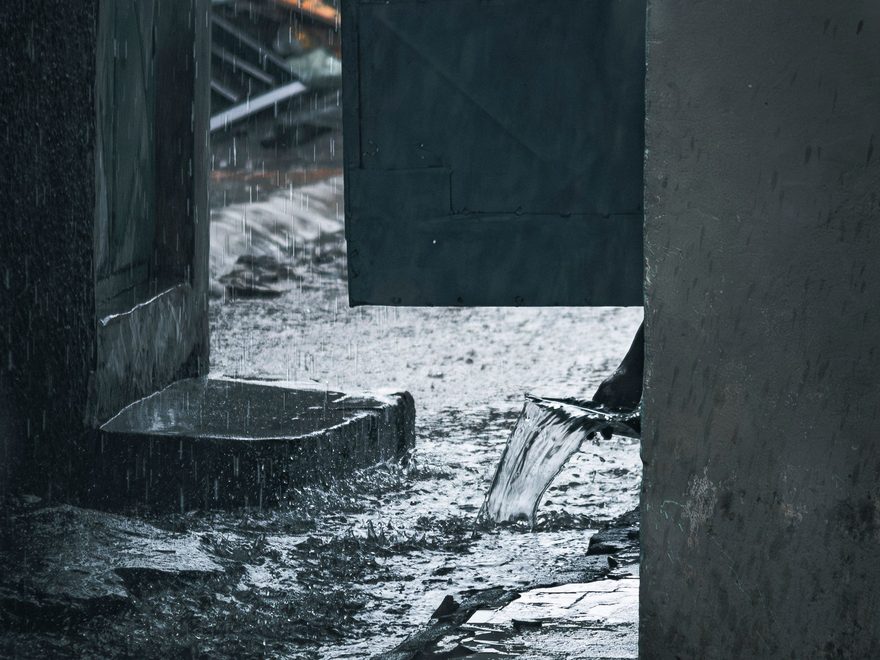
The Three Water Categories at a Glance for Lancaster Homes
- Category 1, clean water: from a clean source, like a supply line, a burst pipe or a water heater tank
- Category 2, grey water: carries some contamination, like water from a washer drain, a dishwasher or an AC drain pan
- Category 3, black water: heavily contaminated, like sewage, toilet overflow with waste, and storm or flood water
When there's any doubt, the water is treated as the higher category.
Category 1 Water in Lancaster Homes: Clean Water
Category 1 water comes from a sanitary source and doesn't pose a significant health risk when it first escapes.
Common Lancaster sources:
- A burst or frozen supply pipe
- A failed braided supply line under a sink or toilet
- A water heater tank or its supply connections
- A refrigerator ice-maker line
- A toilet tank, not the bowl
What it means for cleanup: most materials can be dried in place if work starts quickly. Carpet is often saved, though the pad usually isn't. Drywall, cabinets and the slab are dried and checked with readings. See burst pipe water damage.
Category 2 Water in Lancaster Homes: Grey Water
Category 2 water carries enough contamination to make people sick if they're exposed to it or swallow it.
Common Lancaster sources:
- Washing machine drain water or an overflow
- Dishwasher leaks
- AC condensate pans and lines
- Water from a swamp cooler pan
- A toilet bowl overflow with urine but no feces
- Category 1 water that's been sitting for a day or two
What it means for cleanup: affected areas are cleaned and treated with an antimicrobial before drying. Carpet pad is replaced, and carpet may be cleaned or replaced depending on how long it sat. See washing machine flood cleanup and AC and swamp cooler leak cleanup.
Category 3 Water in Lancaster Homes: Black Water
Category 3 water is grossly contaminated and can carry bacteria, viruses and other harmful agents.
Common Lancaster sources:
- Sewer line and lateral backups
- Septic backups in Quartz Hill and on rural lots
- Toilet overflows containing feces
- Storm runoff and flash flood water coming in from outside
- Category 2 water left sitting long enough to grow bacteria
What it means for cleanup: the area is contained, porous materials it soaked are removed, and everything that stays is cleaned and disinfected before drying. Crews wear full protective gear. See sewage cleanup and storm and flash flood cleanup.
How Clean Water Turns Into Grey or Black Water in Lancaster
A water category isn't fixed. It gets worse with:
- Time: bacteria start growing in standing water and wet materials within a day or two
- Heat: a hot garage or a closed-up house in a Lancaster summer speeds that growth up
- Contact: clean water that runs across a dirty garage floor, through soil or under a toilet picks up contamination
- Materials: water soaking into carpet, pad and drywall gives bacteria more to feed on
That's the main reason water damage cleanup should start the same day, not after the weekend.
Categories vs Classes: Two Different Scales for Lancaster Water Damage
Categories describe how dirty the water is. Classes describe how much water there is to dry and how hard it will be to get out:
- Class 1: a small area, with little water absorbed
- Class 2: a whole room, with water wicking up the walls and soaking carpet and pad
- Class 3: water from above, soaking ceilings, insulation, walls and floors
- Class 4: materials that hold water tightly and dry slowly, like hardwood, plaster and concrete
Many Lancaster jobs involve a concrete slab, which is why drying under flooring can take longer than drying the walls. See structural drying in Lancaster.
What Each Water Category Means for Your Lancaster Cleanup
- Carpet: often saved after Category 1, sometimes after Category 2, almost never after Category 3
- Carpet pad: usually replaced after any category
- Drywall: often dried in place after Category 1, cut out below the water line after Category 3
- Contents: most can be saved after Category 1, while porous items soaked by Category 3 are usually discarded. See contents cleaning.
- Protective gear: basic for Category 1, full protection for Category 3
Why Water Categories Matter for Lancaster Insurance Claims
The category is part of the record your adjuster sees. It explains why carpet was removed instead of dried, why drywall was cut, and why disinfection was needed. It also affects the scope and the price of the job. For rough local ranges, see the water damage pricing guide, and for claim basics, see water damage insurance claim help.
How to Tell Which Water Category You Have in Your Lancaster Home
- Find the source. A supply line or tank points to Category 1. A drain, an appliance discharge or an AC pan points to Category 2. Sewage, a toilet with waste, or water from outside points to Category 3.
- Think about time. Water that's been sitting more than a day or two has likely moved up a category.
- Check the path. Water that crossed a garage floor, soil or a bathroom floor may have picked up contamination.
- When in doubt, assume worse. Treat it as the higher category until it's been checked.
Water Category Questions From Lancaster Homeowners
Is toilet water always Category 3?
No. Water from the tank or the supply line is Category 1. Bowl water with urine only is usually Category 2. Bowl water with feces, or a backup from the drain, is Category 3.
How long before clean water becomes grey water?
Often within about two days, and sooner in warm conditions or when it soaks into dirty materials. That's why starting the same day matters.
Can carpet be saved after Category 2 water?
Sometimes, if it's extracted and cleaned quickly. The pad underneath is usually replaced, and carpet that sat wet for long is usually replaced too.
Does the water category change the price of cleanup?
Yes. Higher categories mean more removal, antimicrobial treatment or disinfection, more protective equipment and more labor.
Who decides which category the water is?
The restoration technician assesses the source, how long the water sat and what it touched, then documents the category in the job record for you and your insurer.
What category is rainwater coming through a roof?
It often starts out fairly clean, but it picks up dirt and debris passing through the roof, the attic and the insulation, so it's commonly treated as Category 2. See roof leak water damage.
Water in Your Lancaster Home Right Now?
Whatever the category, the first step is the same: stop the water and get it out fast. Call Lancaster Water Damage Pros at (661) 338-1428, answered 24/7, or see water damage restoration in Lancaster (/).