Mold Remediation in Lancaster, CA
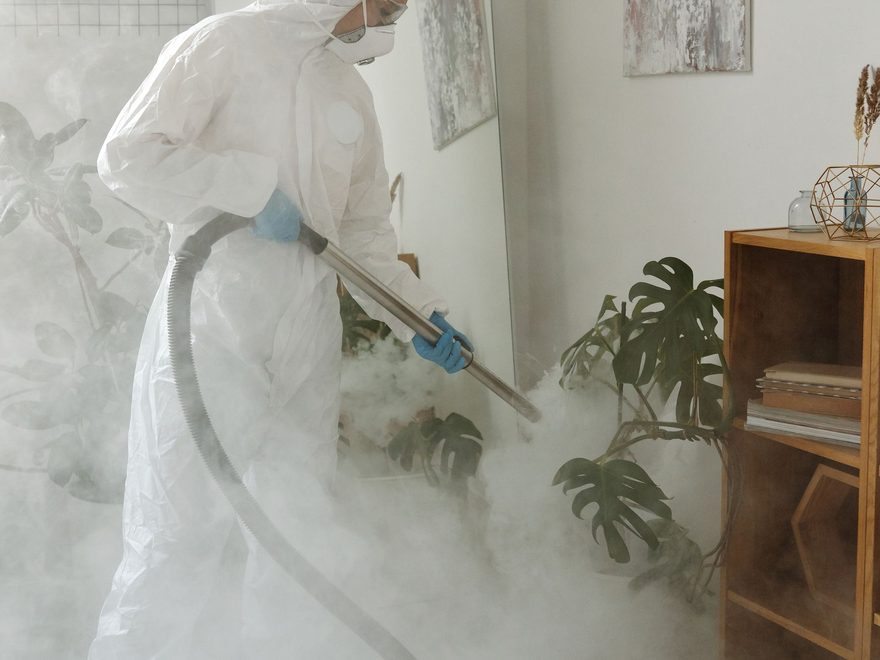
Mold remediation in Lancaster is the process of finding the moisture behind the mold, sealing off the area, removing moldy materials, HEPA-cleaning what stays and drying the structure so the mold doesn't come back. Lancaster Water Damage Pros handles it across Lancaster, Quartz Hill and Antelope Acres, starting every job with the leak or humidity that caused it.
At a glance
- Desert air doesn't stop it: indoor mold grows on wet materials, whatever the weather outside
- Small spots: federal EPA guidance says roughly 10 square feet or less on a hard surface can often be cleaned by a homeowner
- Containment: plastic barriers and HEPA air filtration keep spores in the work area
- Porous materials: moldy drywall, insulation and carpet are removed, not painted over
- Rentals: under California law, visible mold growth can make a rental substandard
Yes, Mold Grows in Lancaster's Dry Climate
Lancaster's outdoor air is dry most of the year, but mold doesn't need humid weather. It needs moisture in the material it's growing on. A slow leak behind a shower, a slab leak under carpet, a roof or swamp cooler leak soaking attic insulation, or a wall that never fully dried after a flood all give mold what it needs, no matter what the weather is doing outside. Swamp coolers also raise indoor humidity, especially in rooms without good airflow. See why Lancaster's desert climate doesn't prevent water damage.
Where Mold Shows Up in Lancaster Homes
- Under kitchen and bathroom sinks, from slow drips at supply lines and drains
- Behind washers, refrigerators and dishwashers, where small leaks go unseen
- Along baseboards after a slab leak or a garage water heater leak
- Ceilings and attics under a swamp cooler, a roof leak or an AC drain pan
- Bathrooms without a working exhaust fan
- Closets on exterior walls, where cool walls and stored items trap moisture
Mold Remediation Steps in Lancaster
- Find and stop the moisture. A plumber, roofer or HVAC technician fixes the source, and moisture readings map how far the water went. See hidden leak and moisture inspection.
- Contain the area. Plastic barriers seal it off, and HEPA air filtration keeps air pulling in, so spores don't drift into the rest of the house.
- Protect the crew and the home. Workers wear respirators, gloves and protective suits, and the path out of the work area is covered.
- Remove moldy porous materials. Drywall, insulation, carpet and pad with mold growth are cut out, bagged and sealed inside containment.
- Clean what stays. Framing, slab and hard surfaces are HEPA-vacuumed and cleaned. Wood with surface growth is cleaned or sanded.
- Dry the structure. Dehumidifiers bring the area back to dry readings. See structural drying in Lancaster.
- Final check. The area is visually checked and cleaned again before containment comes down. Independent clearance testing is available when you want it. See mold inspection.
Small Spot or Real Problem? Mold Size in Lancaster Homes
Federal EPA guidance says a homeowner can often clean a small patch of mold, roughly 10 square feet or less, on a hard surface, using gloves, eye protection, an N-95 mask and soap and water. Larger areas, mold inside walls or ceilings, mold after sewage or storm water, and mold in a home with someone who has asthma or a weak immune system are jobs for professional remediation.
What Gets Cleaned and What Has to Go in Lancaster Homes
- Cleaned and kept: glass, metal, tile, sealed concrete and other hard, non-porous surfaces
- Usually cleaned: wood framing and solid wood with surface growth
- Usually removed: drywall, insulation, carpet, pad, ceiling tiles and particleboard with mold growth
Why Bleach Isn't the Fix for Mold in Lancaster Homes
Bleach can lighten mold stains on a hard surface, but it doesn't soak into drywall or wood, and the mold underneath keeps growing. It also gives off strong fumes and becomes dangerous mixed with other cleaners. On porous materials, removal is the fix. On hard surfaces, cleaning and drying are.
Mold and Your Household's Health in Lancaster
Mold can trigger allergy symptoms, irritation and asthma attacks in some people, especially children, older adults and anyone with breathing problems or a weakened immune system. If someone in your home has symptoms you think are related to mold, talk to a doctor. Remediation removes the mold, but it isn't medical treatment.
Mold in Lancaster Rentals
Under California law, visible mold growth can make a rental unit substandard, and landlords are generally expected to address it once they're told about it. Tenants should report mold to the landlord or property manager in writing, with photos. Landlords get the same documentation from remediation that an insurer would. This is general information, not legal advice.
Mold and Your Insurance in Lancaster
Many homeowners policies cover mold only when it comes from a covered water event, like a sudden burst pipe, and often with a lower limit for mold. Mold from a long-term leak or ongoing humidity is often excluded. See water damage insurance claim help. This is general information, not insurance advice.
What Affects the Price of Mold Remediation in Lancaster?
- The size of the area with mold growth
- Whether it's on the surface or inside walls, ceilings or attics
- How much drywall, insulation and flooring has to come out
- Containment size and how many rooms are involved
- Whether clearance testing is wanted afterward
You'll see a written estimate before any remediation starts. For rough local ranges, see the water damage pricing guide.
Mold Remediation Questions From Lancaster Homeowners
Can I clean small mold spots myself?
Often, yes, if it's a small patch on a hard surface. Wear gloves, eye protection and an N-95 mask, scrub with soap and water, and dry the area completely. If it comes back, there's a moisture problem to find.
How long does mold remediation take?
Often a few days for one or two rooms, depending on how much material has to come out, how large the containment is and how long the structure takes to dry afterward.
Does mold come back after remediation?
Not if the moisture source is fixed and the area is dried properly. Mold that comes back almost always means the leak or the humidity wasn't solved.
Is black mold more dangerous than other mold?
Color doesn't tell you the type. Many molds look dark, and any mold growing indoors should be removed the same careful way, whatever its color.
Will mold remediation spread spores to other rooms?
That's what containment is for. Plastic barriers and HEPA air filtration keep air flowing into the work area, not out of it, so spores stay where they're being removed.
Does painting over mold fix it?
No. Paint covers the stain, but mold keeps growing underneath and often shows through again. The moldy material has to be cleaned or removed, and the moisture fixed.
Can a swamp cooler cause mold in my house?
It can. A leaking cooler wets ceilings and attic insulation, and running one with the windows closed raises indoor humidity. Keep windows cracked while it runs, and fix leaks quickly. See AC and swamp cooler leak cleanup.
More Water Damage Help in Lancaster
- Mold inspection
- Hidden leak and moisture inspection
- Structural drying in Lancaster
- Slab leak water damage
- Water damage restoration in Lancaster (/)
Mold in Your Lancaster Home? Call Now
Call Lancaster Water Damage Pros at (661) 338-1428 for mold remediation anywhere in Lancaster, Quartz Hill and Antelope Acres, starting with the moisture that caused it.