How Long Does Water Damage Restoration Take in Lancaster, CA?
For most clean-water leaks in a Lancaster home, getting the water out takes a few hours, drying the structure takes about three to five days, and the whole job, including repairs, often runs one to a few weeks. Bigger losses, contaminated water and concrete slabs take longer. Here's what each stage involves and what moves the timeline.
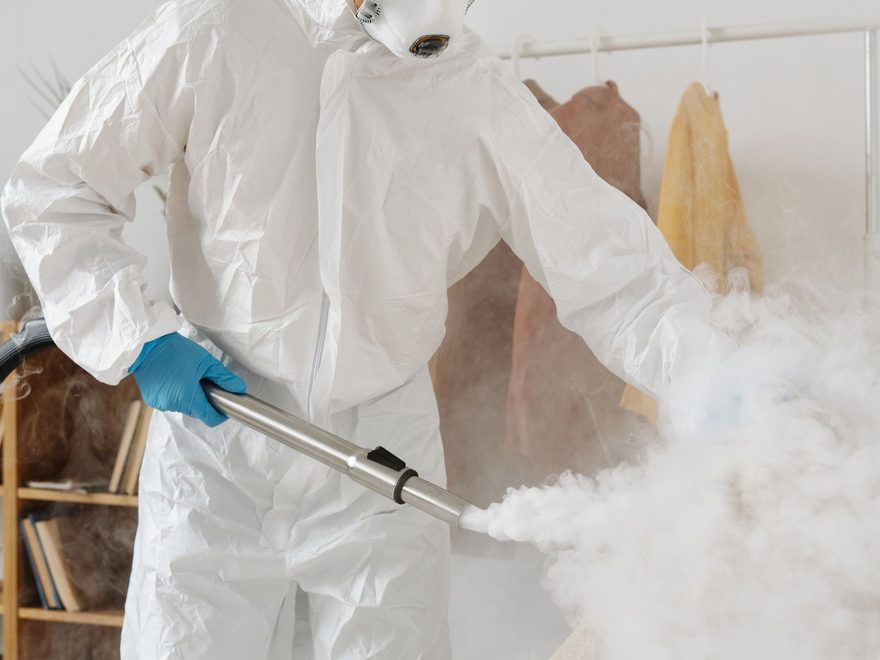
Water Damage Restoration Stages and Timeline in Lancaster
Emergency Response and Extraction: Same Day
The source is stopped, standing water is extracted, and soaked carpet pad and baseboards come out. For most homes, that's a few hours on the first visit.
Structural Drying: Usually Three to Five Days
Dehumidifiers and air movers run around the clock, with readings every day until walls, floors and cabinets match dry areas of the house. Slabs, hardwood and plaster can take longer. See structural drying in Lancaster.
Mold Remediation, If Needed: Adds Several Days
If water sat long enough for mold to grow, containment, removal and cleaning add time before drying can finish. See mold remediation.
Repairs: Often One to a Few Weeks
Drywall, texture, paint, baseboards, flooring and cabinets go back once everything is dry. The schedule depends on the scope, material choices, insurance approvals and any permits.
Typical Timelines by Type of Lancaster Water Damage
- Small supply line leak caught fast: drying often done in two to three days
- Burst pipe across several rooms: drying usually three to five days, longer if a ceiling got wet
- Slab leak: drying under flooring can take a week or more, after the plumber's repair
- Upstairs leak through a ceiling: extra time for insulation removal and drying between floors
- Sewage backup: extra days for containment, removal and disinfection before drying
- Storm or flash flood: mud removal and flood cuts first, then drying
What Speeds Up Water Damage Restoration in Lancaster
- Shutting off the water and calling the same day
- Moving furniture, rugs and boxes out of wet rooms
- Leaving drying equipment running day and night
- Keeping the swamp cooler off during drying
- Reporting the claim quickly and keeping in touch with your adjuster
- Choosing replacement flooring and finishes early
What Slows Down Water Damage Restoration in Lancaster
- Water that sat for days before anyone found it
- Contaminated water from sewage or storms
- Materials that dry slowly: concrete slabs, hardwood, plaster
- Mold that needs remediation before drying can finish
- Back-and-forth on insurance approvals
- Plumbing repairs or permits that hold up the rebuild
- Backordered flooring, cabinets or fixtures
- Several units or tenants to coordinate in multi-unit buildings
How Lancaster's Climate Affects Drying Time
Dry desert air helps once drying is controlled, because dehumidifiers have less moisture to fight. But the climate cuts both ways. Cold winter nights slow drying in garages and unheated rooms, and in summer an evaporative cooler pumps moisture back into the air. Holding steady indoor conditions, with the cooler off and the heat or refrigerated AC on as needed, keeps drying on schedule.
Living at Home During Restoration in Lancaster
Most families stay home through a clean-water drying job, even with equipment running. It makes sense to stay elsewhere when sewage or storm water is involved, when the kitchen or the only bathroom is out of service, or when containment blocks part of the house. If your policy includes loss of use coverage, it may help with temporary housing. See water damage insurance claim help.
How to Keep Your Lancaster Water Damage Job on Schedule
- Ask for a written plan with the expected drying days and the next steps after drying.
- Keep the drying area closed off as set up, and don't move equipment.
- Check the daily readings so you can see progress.
- Get repair estimates started while drying is still underway.
- Make flooring and finish choices early so materials can be ordered.
Restoration Timeline Questions From Lancaster Homeowners
Why can't the drying equipment come out once the floor feels dry?
Because the surface dries first. Walls, the bottom plate, the slab and cabinet bases can still be wet inside. Equipment comes out when readings match dry materials, not when things feel dry.
How long does it take to replace drywall after water damage?
For a room or two, hanging, taping, texturing and painting usually takes several days, since each coat of compound and paint needs time to dry.
Does waiting on insurance approval slow down repairs?
It can slow the rebuild, but it shouldn't slow emergency drying. Mitigation starts right away, and repairs follow once the scope is approved.
How long can water sit before it causes lasting damage?
Particleboard and laminate can swell within hours, drywall weakens the longer it stays wet, and mold can start growing within a day or two. The first 24 to 48 hours matter most.
Why does a ceiling leak take longer to dry than a floor leak?
Water from above soaks insulation and the space between floors, where air can't reach easily. Wet insulation often has to come out before the cavity can dry.
What happens if drying stops too early?
Hidden moisture stays in the walls and floors. That can lead to mold, odors, swollen or cupped flooring, and paint that bubbles weeks later, often after repairs are already done.
Water Damage in Your Lancaster Home Right Now?
The clock starts when the water does. Call Lancaster Water Damage Pros at (661) 338-1428, answered 24/7, or see emergency water removal. For more guides, see Lancaster water damage guides.